
Selling land is more than just a transaction—it’s the closing of one chapter and the beginning of another. Whether you inherited a parcel decades ago, purchased it with dreams that never took root, or are simply ready for new opportunities, parting with land carries weight. It can be emotional, strategic, and financially significant. With proper guidance and a solid game plan, you can ensure the process honors both your goals and the value of your property. Below, we’ll walk through the critical elements of selling land with clarity, integrity, and a clear return on your investment.
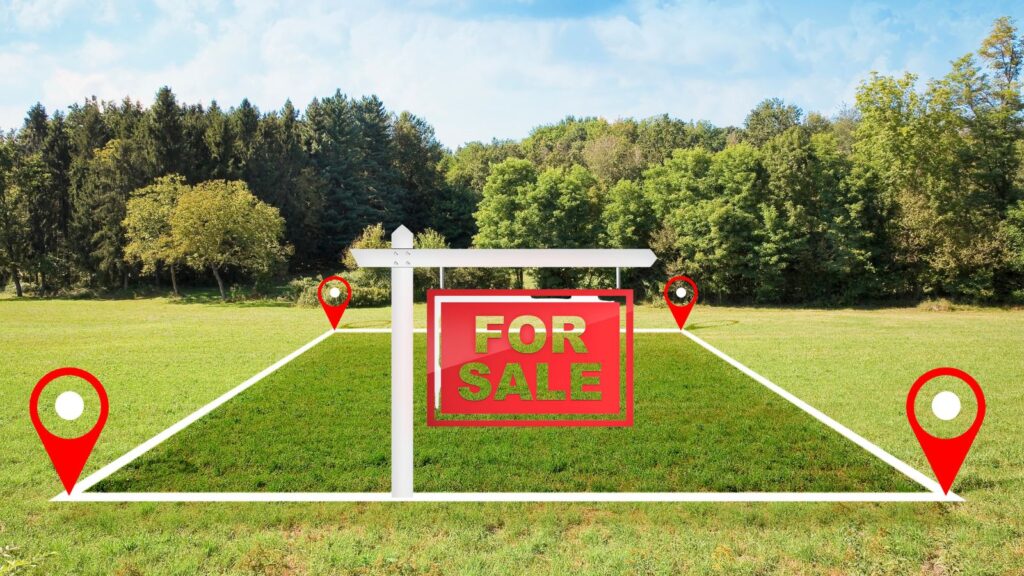
Understand Your "Why"
Before listing your land, get crystal clear on your motivation. Are you looking for quick cash, long-term gains, or peace of mind? Maybe the upkeep has become burdensome, or your plans have changed. Pinpointing your “why” will guide the entire selling process—from pricing to timing to negotiation.
Emotion plays a larger role in land sales than most people admit. Land often comes with personal history: family memories, business dreams, or legacies handed down. These layers matter. They affect how you perceive the land’s worth and how willing you are to negotiate. Take a moment to reflect on your emotional connection so you can approach the sale with a grounded mindset.
Financial goals are the other side of the coin. Are you hoping to fund a new project? Pay off debt? Invest elsewhere? Knowing your financial target gives you leverage in negotiating offers, allowing you to make informed decisions. Pair that with a clear idea of how fast you need to sell, and you’ve got the foundation of your strategy.
Finally, think about what you don’t want. Do you want to avoid development? Keep it in the hands of someone local? These preferences can help shape your buyer criteria, marketing language, and even your choice of realtor. Understanding your “why” isn’t fluff—it’s your compass.
Know the Value Beyond the Dirt
Raw land pricing isn’t as straightforward as simply considering square footage and zip code. Land value is influenced by a combination of factors, including zoning laws, utility access, road frontage, topography, and market demand. One lot could be worth ten times another across the road—just because of water rights or city planning updates.
Start with a land-specific appraisal. Residential real estate agents often over- or underprice land because they use comps from homes, not vacant parcels. Look for a land specialist or rural appraiser who understands factors like buildability, soil composition, flood zones, and future development plans.
Zoning plays a huge role. A parcel zoned for commercial use holds vastly different potential than parcels zoned for agricultural or residential use. Understanding not only current zoning but also any proposed changes from the city or county provides insight into future value. A rezoning effort might take time, but it could increase your sale price.
Utilities also matter. Land with existing water, sewer, and electric hookups is immediately more desirable than undeveloped acreage with no access. If these are close by but not connected, potential buyers will factor that cost into their offers.
Take a deep dive into parcel maps, easements, and title reports. Any issues—such as shared driveways, encroachments, or unclear boundaries—can impact the value and delay your sale. Arm yourself with facts so you can justify your price and avoid unexpected setbacks during the deal.
Make It Shine: Presentation Matters
You might think raw land sells itself. It doesn’t. Presentation is what gets buyers to fall in love—or at least to take the first step. Since there’s no house to stage, you’ve got to market the potential.
Start with visuals. Hire a professional photographer or drone operator. Aerial shots show the layout, surrounding infrastructure, and views that on-the-ground pictures can’t capture. Add labeled graphics that highlight boundaries, access points, and nearby amenities. A few hundred dollars here goes a long way.
Clean up the property. Clear trash, mow high grasses, and remove dead branches or eyesores. If there’s a private road, grade it. Make the land walkable. This shows care and creates a welcoming first impression for buyers or their inspectors.
Craft a compelling listing description. Don’t just list acreage and zoning. Talk about what makes the land unique. Is it close to a new development? Perfect for off-grid living? Zoned for multifamily? Use storytelling to help buyers envision what’s possible.
Include documents upfront: plat maps, recent surveys, environmental reports, and soil tests if available. The more transparent you are, the more confident serious buyers will be. Presentation isn’t fluff—it builds trust and speeds up negotiations.
Choose the Right Selling Method
Selling land isn’t a one-size-fits-all game. Depending on your timeline, goals, and property type, you’ve got options: traditional listing, land auction, for-sale-by-owner (FSBO), or selling directly to an investor.
Traditional listing through a land-savvy realtor offers broad exposure and professional negotiation support. Look for agents who specialize in land sales—not just residential homes—and who understand local zoning, rural financing challenges, and the intricacies of builder relationships.
Land auctions can be effective for unique properties or those in high demand. You set the terms and timeline. Competitive bidding may drive up prices—but it’s less predictable and typically works best when buyers are already lined up, or the market is hot.
FSBO gives you full control and saves on commission, but it requires significant legwork. Marketing, screening buyers, handling paperwork—you’ll need time, knowledge, and nerves of steel. If you choose this route, consider involving a real estate attorney early.
Selling to a cash investor might be appealing if speed is your priority. These buyers often close fast, waive inspections and purchase as-is. You’ll typically receive less than market value, but you’ll avoid lengthy processes and hidden costs. It’s a trade-off between convenience and price.
Choose the method that aligns with your timeline, comfort level, and financial needs. A little strategic planning here can make a big difference down the road.
Understand Legal Obligations and Documentation
Land sales can get tangled fast if you’re not on top of the paperwork. From disclosures to deed transfers, your legal ducks need to be in a row from day one.
Start with the title. Make sure it’s clear—no liens, unpaid taxes, or disputes. If you’re unsure, consider ordering a title search through a title company or an attorney. Clearing title issues early prevents delays once a buyer is committed.
Prepare a property disclosure. Even raw land may come with known issues, such as contamination, drainage problems, or disputes with neighbors. In many states, you’re legally obligated to disclose anything that could affect the buyer’s use or safety.
Get your boundaries confirmed. A recent survey avoids headaches about encroachments, easements, or fence-line disagreements. If a buyer needs a loan, their lender will require it anyway. Having it on hand makes your listing stronger.
Zoning confirmation, access rights, mineral rights (if applicable), and utility info should be organized and easily shared. Many deals fall apart because a buyer’s due diligence reveals something the seller didn’t anticipate. Stay ahead of that curve.
Work with a real estate attorney familiar with land transactions. They’ll draft or review the purchase agreement, help with negotiation clauses, and ensure all legal obligations are met at closing. Land deals can be complex—don’t go in blind.
Price It Strategically
Setting the right price is part science, part art. Aim too high, and your land sits for months. Go too low, and you leave serious money on the table. Strategic pricing helps attract the right buyers while meeting your financial goals.
Start with comps—comparable sales in the area. Look at properties of similar size, location, and zoning that have actually sold, not just what’s listed. Pending and closed deals reveal what buyers are willing to pay today, not what they were willing to pay last year.
Factor in time on the market. If similar properties are sitting unsold for 180+ days, that tells you something. Pricing slightly below stale listings can give you a competitive edge—especially if you’ve done the prep work to stand out.
Consider offering terms. Seller financing, for example, can open up your land to buyers who may not qualify for traditional loans. This often allows you to charge a premium and collect interest over time. Just make sure to work with a real estate attorney to structure it properly.
Don’t price based on emotional value. That’s common—and costly. Your memories and intentions don’t translate into buyer offers. Use market data, professional advice, and a clear understanding of your goals to guide your number.
Finally, stay flexible. Be prepared to adjust if the market shifts or feedback suggests you’re out of alignment. Strategic doesn’t mean rigid—it means intentional and responsive.
Market Like a Pro
Even the best land won’t sell if no one knows it’s available. Strategic marketing is your megaphone—and it’s got to be loud, clear, and targeted.
Start online. List your property on land-specific platforms, such as LandWatch, Land And Farm, and LoopNet (for commercial properties). These sites attract serious buyers. Also, don’t overlook MLS and Zillow—they can still reach local eyes and investors.
Use social media smartly. A well-crafted Facebook post with drone footage or an Instagram reel showcasing the views can go viral quickly. If you’re open to local buyers, community Facebook groups can be gold.
Don’t skimp on signage. A professional “For Sale” sign with a QR code or website link can draw drive-by interest, especially in semi-rural areas. Make it easy for buyers to find info even when you’re not around.
Email marketing works, too. If you’re using a realtor, they may have a list of builders, developers, or investors they can blast your listing to. If you’re selling your own home (FSBO), consider building your own list over time or joining a seller network.
Finally, tell a story. Your land isn’t just acreage—it’s a future home, a farm, a retreat. Use words and images to ignite the buyer’s imagination. The more vividly they can picture the future, the more likely they are to take the next step.
Prepare for the Long Game
Land typically takes longer to sell than houses. Fewer buyers, more research, and specialized financing all slow the process. Managing expectations will help you stay calm, clear-headed, and proactive.
Be ready for tire-kickers—people are curious but not serious. It comes with the territory. Screen buyers with pre-qualification questions, or have your agent do it on your behalf. Ask about financing, intended use, and timeline. That filters out the dreamers from the doers.
Expect negotiations to take time. Offers may be lower than expected. Stay open but firm. Lean on your agent or attorney to navigate counteroffers, contingencies, and due diligence timelines. The right buyer will come—patience pays off.
Have a plan for property upkeep during the sale process. You don’t want it to overgrow or become unwalkable. Staying on top of maintenance signals care and keeps buyers engaged.
Set review points. Every 30 or 60 days, reassess your strategy: is the listing fresh? Is the price competitive? Are the right people seeing it? Adjust as needed. The market doesn’t stand still, and neither should you.
Selling land is a journey. Keep your eyes on your “why” and your strategy sharp. The long game is where real gains are made.
Ready When You Are
Selling land is both a practical and deeply personal experience. It asks you to balance legacy with opportunity and emotion with strategy. However, with preparation, clarity, and a plan tailored to your goals, it can be a rewarding step forward. Whether you’re selling a few acres or a sprawling investment property, your next chapter is waiting—and it’s worth doing right.
If you’re ready to explore selling your land, we are here to guide you through every step. Reach out when you’re ready, and let’s get to work.